You want shoes that look refined without sacrificing day‑long comfort, and Skechers luxury lines deliver that balance more often than typical casual brands. You get elevated design, advanced comfort tech, and durable materials in one package — so your shoes perform like premium footwear while still fitting everyday life.
This article will show how Skechers combines distinctive aesthetics, cushioning innovations, and robust materials to outshine many casual options, how that affects your comfort and longevity, and whether the price delivers real value. Keep reading to learn which features matter most for style, support, and long‑term wear.
Unique Design Aesthetics of Skechers Luxury Shoes
Skechers luxury lines pair refined silhouettes with performance-driven materials and visible brand cues. You’ll find focused choices in styling, curated collections, and small but deliberate branding details that set these models apart from everyday casual shoes.
Elegant Styling Innovations
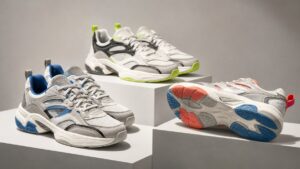
Skechers integrates streamlined shapes with modern accents to create a luxury feel without sacrificing comfort. You’ll notice tapered toe boxes, sleeker midsoles, and reduced bulk compared with mass-market casuals. Designers often use layered materials—smooth leathers, micro-suede, and engineered knit panels—so each profile reads as intentional and upscale.
Color palettes favor muted, sophisticated tones such as deep navy, charcoal, and rich cognac, often with subtle contrasts like matte vs. gloss finishes. Construction details include hidden stitch lines, bonded seams, and refined edge-finishing to minimize visual clutter. These choices produce a cleaner silhouette that works equally well with smart-casual outfits and business-casual looks.
Variety of Premium Collections
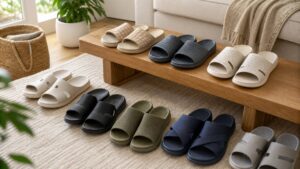
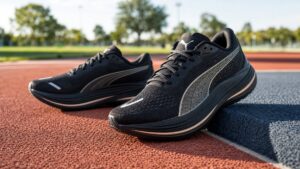
Skechers organizes its higher-end offerings into distinct collections aimed at different needs. You’ll find dress-oriented leather lines, performance-luxe running styles with upgraded midsoles, and hybrid urban models that blend sneaker comfort with dress-shoe aesthetics. Each collection targets a specific use case—office wear, travel, or weekend smart dress—so you can pick a pair that aligns with how you’ll wear them.
Within collections, sizes and last shapes often reflect intended fit profiles: slimmer lasts for dressier pairs and roomier lasts for travel or walking models. Limited editions and seasonal drops use premium leathers, metallic accents, or exclusive colorways to increase perceived value without radically changing core construction.
Detail and Branding Distinctions
Brand cues on Skechers luxury models remain noticeable but restrained. You’ll see discreet metal logos, tonal embossing on heel counters, and small contrast tabs rather than large, high-visibility badges. These subtler identifiers signal brand origin while keeping the overall appearance refined.
Functional details also double as design elements: sculpted midsoles, laser-cut ventilation patterns, and polished eyelets contribute to both performance and aesthetics. Insole branding and premium packaging—such as padded dust bags or structured boxes—further differentiate these pairs from basic casual models and communicate higher craftsmanship to you at first glance.
Comfort Features That Stand Out
Skechers combines targeted midsole tech, shaped footbeds, and breathable uppers to deliver daily comfort that adapts to your activity and foot shape. Each feature aims to reduce pressure, control motion, and keep your feet cool during long wear.
Advanced Cushioning Technologies
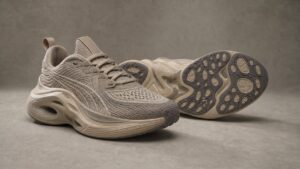
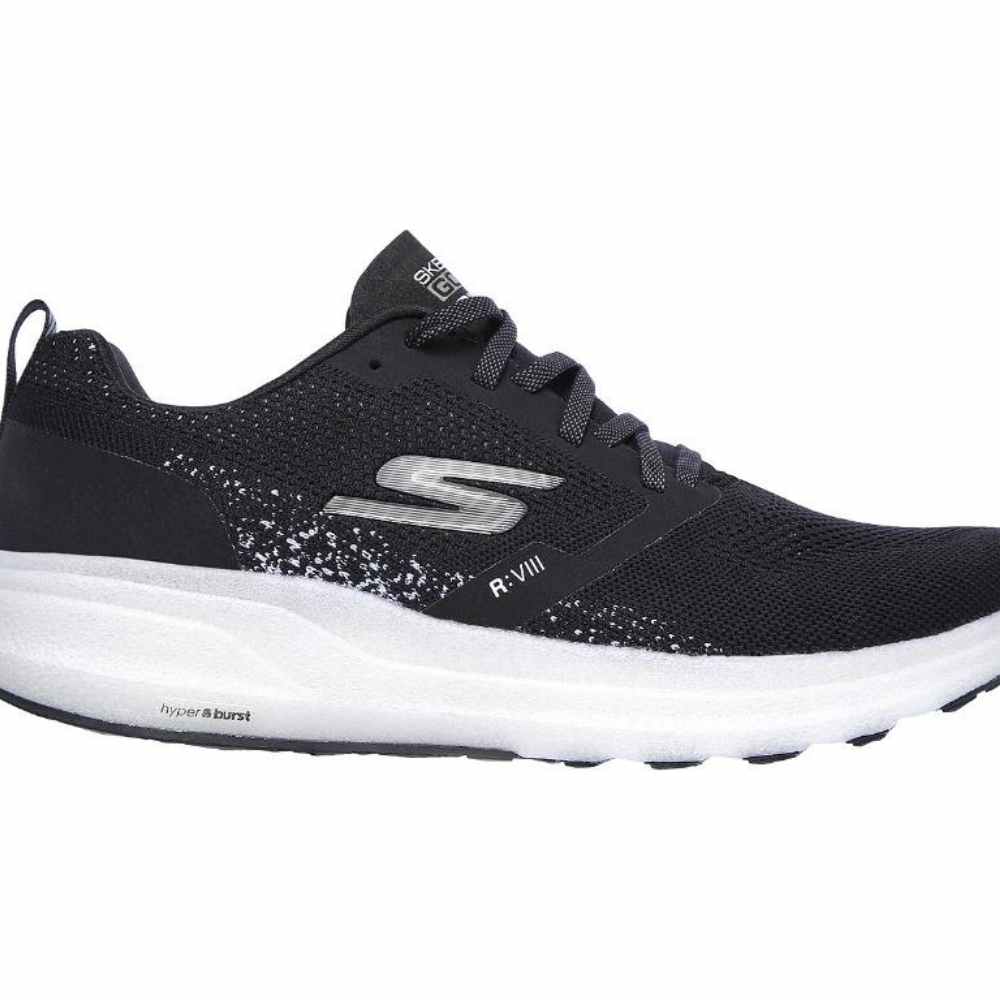
Skechers uses several named midsole materials—Air-Cooled Memory Foam, Hyper Burst, and Ultra Go—to provide distinct cushioning profiles. Air-Cooled Memory Foam conforms to your foot, absorbing impact under the heel and forefoot to reduce pressure points during walking or standing. Hyper Burst is a lightweight, highly responsive foam created with microcell expansion for springier energy return; it suits you if you want livelier strides without heavy weight. Ultra Go focuses on balanced cushioning and durability for everyday use.
You’ll notice differences in stack height and firmness between models. Higher stack and softer foam give plush comfort but can feel less stable; firmer, thinner foam trades some softness for responsiveness and ground feel. Pay attention to product specs—midsole material, thickness, and targeted zones—when choosing the model that matches your needs.
Ergonomic Foot Support
Skechers shapes footbeds with anatomical contours to support your arch and stabilize the heel. Many models include a molded heel cup that centers your heel and limits inward roll, which helps reduce strain on your ankles and knees during extended wear. Removable insoles let you insert custom orthotics without sacrificing fit.
Targeted support zones often appear as firmer foam or raised arch bridges in the insole. These features help distribute pressure across the midfoot and forefoot so you feel less fatigue during long shifts or travel. If you have low or high arches, choose a Skechers line that specifies tailored support rather than a one-size-fits-all footbed.
Breathable Material Integration
Skechers integrates mesh, knit, and engineered perforations to manage ventilation and moisture. Knit uppers with zoned openings allow airflow across the instep and toe box while denser knit around the midfoot preserves structure. In performance lines, strategic perforations sit near high-heat areas to reduce internal humidity during exercise.
Lining materials also matter: moisture-wicking textile or antimicrobial-treated liners control sweat and odor. When you select a model, check whether the upper combines breathable panels with supportive overlays—this mix keeps the shoe light and cool without sacrificing lockdown or durability.
Material Quality and Durability
You get durable, premium materials and construction aimed at long-term comfort and wear resistance. Expect specific leathers, engineered textiles, and reinforced soles designed to resist common failure points.
High-End Material Selection
Skechers often uses full-grain or treated premium leather in their higher-end lines, which resists scuffing and maintains shape better than low-cost corrected-grain leather. For knit and mesh uppers, they choose engineered synthetic textiles with zoned breathability and abrasion-resistant yarns to balance airflow and durability.
Midsoles typically employ proprietary foam blends—such as memory foam or responsive EVA compounds—formulated to retain cushioning after hundreds of miles of use. Outsoles use carbon- or silica-enhanced rubber compounds that increase traction and reduce wear, especially on high-contact zones.
When you compare specific components, the brand selects materials that target longevity in the areas that fail first: toe boxes, heel counters, and sole edges.
Superior Construction Standards
Skechers applies reinforced stitching patterns and taped seams at stress points to prevent early seam failure. They often combine cementing (glue-bonding) with machine stitching on premium models so the sole attachment has both flexibility and mechanical strength.
Heel counters and eyelet rows receive internal reinforcement—thermoplastic supports or extra lining layers—so your shoe keeps its shape during repeated use. Insoles are frequently replaceable and set in cavities that prevent premature collapse of cushioning.
Quality control includes inspection of bonding lines and stitch density, which reduces variability between pairs and lowers the chance you’ll experience detachment or midsole delamination.
Longevity Compared to Casual Competitors
Against typical casual sneakers that use basic EVA and low-density textiles, Skechers’ higher-end models show longer cushioning life and slower upper degradation. You should expect preserved midsole rebound and intact uppers after regular daily walking for 12–18 months, where cheaper casuals may flatten or tear earlier.
Wear patterns concentrate on outsoles; Skechers’ harder-wearing rubber compounds delay sole thinning and maintain traction longer on pavement. Repairability is better too: stitched and reinforced components allow cobblers to replace soles or resew seams more effectively than bond-only constructions.
This means you may pay more upfront, but your cost-per-wear usually drops because the shoes remain functional and comfortable for more months of regular use.
Footwear Technology Innovations
You’ll find focused advances in sole construction and moisture control that directly affect comfort, durability, and everyday performance. These innovations aim to support your stride, reduce fatigue, and keep your feet dry during long wear.
Versatile Sole Engineering
Skechers often combines multiple midsole and outsole materials to balance cushioning, responsiveness, and traction. Look for lightweight foams like Hyper Burst or proprietary EVA blends that absorb impact while returning energy on heel strike. Many models pair these foams with reinforced rubber pods in high-wear zones to extend outsole life without adding unnecessary weight.
Designers also tune tread patterns for specific uses: shallow, multi-directional grooves for casual street grip; deeper lugs for trail-ready variants. You benefit from targeted stiffness under the arch for stability and softer forefoot sections for toe-off. If you need more structure, check for built-in shanks or firmer medial posts that limit overpronation.
Moisture-Wicking Capabilities
Premium Skechers uppers use engineered knit, mesh, or treated leathers that promote airflow and move moisture away from your skin. Look for fabrics labeled as breathable or moisture-wicking; they often combine open weaves with hydrophobic fibers to speed evaporation. Insole liners may feature antimicrobial and quick-dry materials to reduce odor and retain cushioning performance after repeated wear.
Seam placement and lining choices also affect moisture management. Minimal seams reduce hotspots and chafing, while perforated panels and gusseted tongues help vent trapped heat. If you expect sweat-prone conditions, choose models with removable, ventilated insoles so you can air or wash them to maintain dryness and hygiene.
User Experience and Versatility
You get both comfort-engineered cushioning and a look that transitions from errands to smart-casual settings. Practical features like lightweight midsoles and supportive insoles combine with clean silhouettes to expand how and where you wear them.
Everyday Wear Adaptability
Skechers luxury lines use responsive midsoles (e.g., Hyper Burst-like foams) and memory foam insoles that reduce foot fatigue during long standing or walking days. You feel consistent shock absorption on pavement, tile, and treadmill, which helps if your day mixes commuting, shopping, and light exercise.
Uppers often blend knit or premium leather with breathable linings, so your feet stay cooler in tropical weather and drier in mild rain. Slip-on and lace options give you fast on/off convenience or a secure fit for more active days.
Durable outsoles and reinforced toe areas resist abrasion from daily use. That durability keeps the shoe looking newer longer, lowering how often you must replace them compared with many casual brands.
Suitability for Multiple Occasions
For office settings with business-casual dress codes, polished Skechers styles present a neat profile while keeping ergonomic support. You can pair leather or suede models with chinos or dark denim without sacrificing posture or comfort during long meetings.
On weekend outings, the same shoe often handles light hiking, city walking, or café visits thanks to versatile tread patterns and stable midsoles. If you need sport-specific performance, pick models marketed for running or trail use; they include targeted grip and extra cushioning.
When packing for travel, you get a single pair that serves daylong sightseeing and an evening dinner. The combination of aesthetic restraint and functional construction reduces the number of shoes you need to carry.
Value Proposition and Cost Comparison
Skechers positions its higher-end lines by combining certified comfort technologies with competitive pricing. You get targeted foot support, recognizable brand warranty practices, and materials that aim to last longer than many mainstream casual shoes.
Cost-to-Benefit Analysis
You pay more for premium Skechers models—typically higher than entry-level casuals but well below luxury brands. Expect prices in the mid-range for premium items; in some markets that means roughly Rp1.8–2.5 million for special collections, while standard models often sit between Rp700k–1.8M.
The benefits you receive include Memory Foam, Goga Mat, or Arch Fit systems that reduce foot fatigue and can lower long-term replacement frequency. Durable midsoles and reinforced stitching often extend usable life compared with fast-fashion casuals.
Consider total cost-per-wear: if a pair lasts 18–36 months with frequent use and improves comfort during daily standing or walking, the effective monthly cost can be lower than cheaper shoes you must replace more often. Factor in resale potential and brand-supported comfort warranties for an accurate comparison.
Maintenance and After-Sales Service
You should clean premium Skechers according to material-specific guidelines—mesh, leather, and performance foams each need different care. Use gentle brushes and mild detergent for mesh; condition leather sparingly; avoid submerging foam-cushioned insoles to preserve structure. Proper care preserves cushioning technology and appearance, reducing the need for early replacement.
Skechers offers standard retail warranties and accessible customer service in major markets. You can usually get repairs, replacement insoles, or warranty support through official stores or authorized sellers. Keep receipts and product codes to speed claims. For overseas purchases, check local service availability before buying to avoid voided support.
Brand Trust and Industry Recognition
You can rely on Skechers’ long track record and visible market presence when choosing premium casual shoes. Founded in 1992, the brand built credibility by focusing on comfort-driven design and broad distribution, which makes its products familiar and accessible to many buyers.
Industry recognition appears through consistent consumer preference and partnerships that highlight Skechers’ strengths. Retail penetration, collaborations, and repeat customer behavior signal that the brand meets everyday performance and style expectations.
Trust also comes from measurable product attributes you can verify: cushioning technologies, durable materials, and documented fit features. These practical qualities reduce uncertainty when you compare Skechers to other casual labels.
Key trust signals you should note:
- Brand longevity and founder-led growth
- Wide retail and online availability
- Product-focused innovation in comfort and durability
You should weigh reviews and third-party reports alongside brand claims. Independent assessments and user feedback give you clearer evidence of real-world performance than marketing alone.